
Climate Week NYC brought private and public-sector leaders to New York this week to share progress on sustainability goals. Nasdaq marked the occasion by hosting the Dynamo Energy Transition Summit on Sept. 22 at MarketSite, convening senior leaders across energy, technology, finance, and policy to examine the capital, innovation, and infrastructure driving the next phase of the global energy transition.
Across the week, five companies detailed work that is moving decarbonization from commitment to construction. The consistent theme: the technologies needed to meet rising electricity demand while cutting emissions are being built now, not promised for later.
Here’s a look at how five companies are addressing these rising energy demands and decarbonization goals using innovative technology:
TerraPower: Nuclear Optimized for the 21st-Century Grid
Electricity demand is surging at a pace the current grid was not built for, driven by data centers, electrification, and industrial growth. TerraPower is engineering nuclear energy into a safer, faster, and more flexible form of zero-carbon power. Its Natrium plants pair an advanced nuclear reactor with a molten salt energy storage system that can boost output from 345MW to 500MW on demand, allowing the facility to respond to demand spikes during extreme weather or when renewable generation dips. The Natrium plant, already under construction in Wyoming, is on track to become the first utility-scale advanced nuclear power plant in the U.S. In January 2026, Meta signed an agreement with TerraPower to fund up to eight Natrium units by 2035.
“TerraPower is proving that reliable, zero-carbon power at scale isn’t a future bet, it’s an energy solution ready to build today,” said Chris Levesque, President and CEO of TerraPower.
Rehlko: Speed and Sustainability Without the Trade-Off
Image
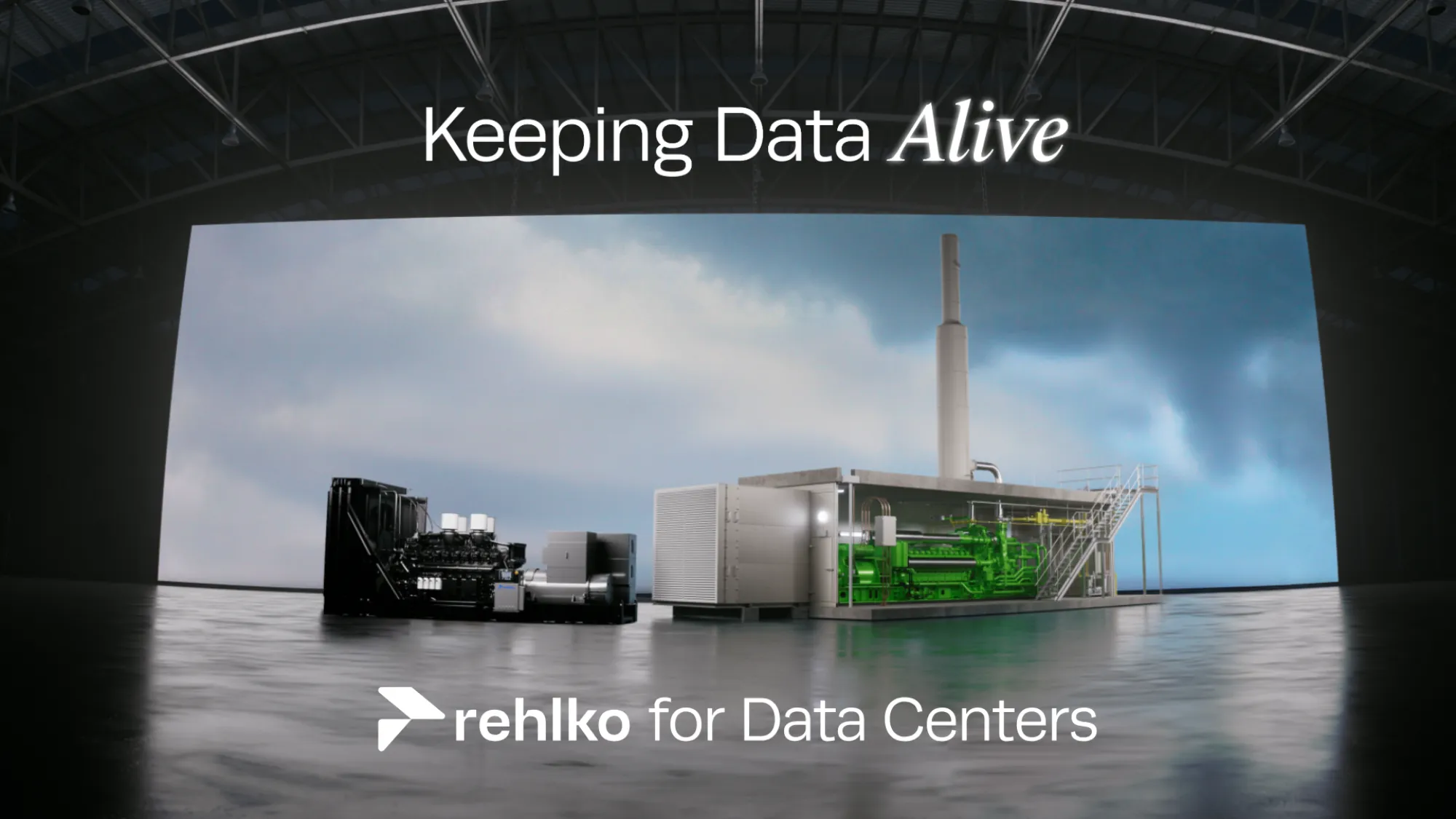
As demand for AI-driven data centers accelerates, operators must balance speed to power with asset longevity without increasing environmental impact. Rehlko’s Structured Transition Model integrates backup and prime power technologies into a single framework, combining battery storage, microgrids, maintenance services, and lower-carbon fuels. The approach lets market participants meet urgent power demands while improving efficiency and sustainability. Rehlko extends the model through its Power Impact Intelligence platform, which evaluates the carbon impact of power systems, and programs like Conscious Care™, which reduce fuel consumption, operating hours, and emissions without compromising reliability. According to its 2026 Powering Impact Report, Rehlko has cut Scope 1 and 2 emissions by 19.6% since its 2023 baseline through energy efficiency investment and lower-carbon fuel adoption.
“The rapid growth of AI and digital infrastructure requires a new approach to power,” said Brian Melka, President and CEO of Rehlko. “At Rehlko, we’re helping customers secure reliable power faster while advancing efficiency, resilience, and sustainability across the energy ecosystem.”
“As energy demand continues to grow, we believe reliability, efficiency, and sustainability can reinforce one another,” said Francis Perrin, Chief Brand and Sustainability Officer at Rehlko. Perrin further states, “our focus is on helping customers make informed decisions that create long-term value while supporting their climate and resilience goals.”
Helion: Fusion as Practical, Always-On Power
Image
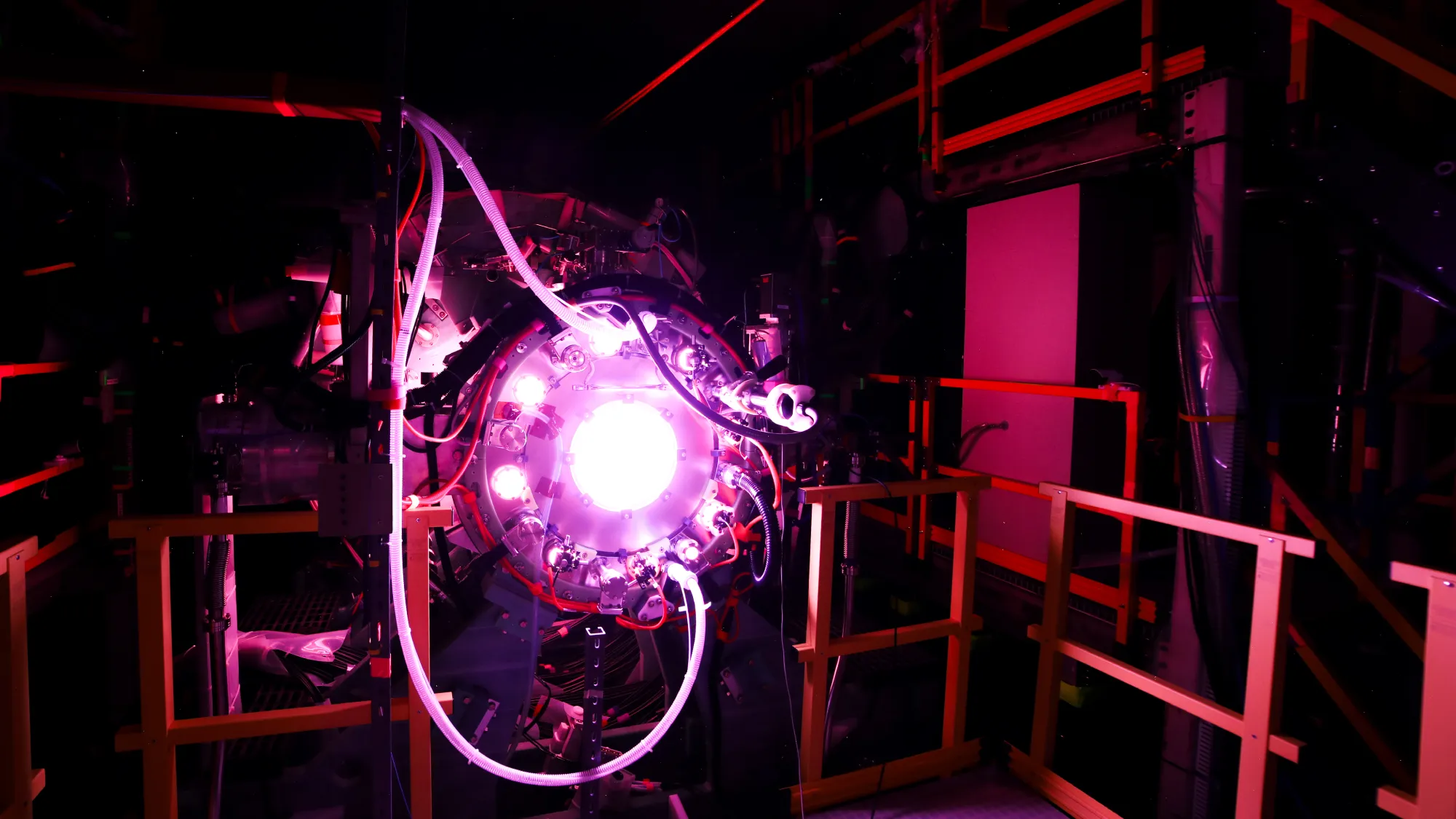
Meeting global climate goals will require far more carbon-free electricity than the grid can provide today. Helion is working to make fusion a practical source of reliable, always-on power that can meet rising energy demand without producing carbon emissions. Fusion fuel is widely available, and the technology can provide consistent power regardless of weather, complementing other clean energy sources. Helion is now building Orion, its first commercial fusion power plant, in Malaga, Washington. Orion is designed to deliver at least 50 megawatts of electricity to the grid.
“Bringing fusion electricity to the grid at meaningful commercial power levels is an important step toward a future where clean, safe, and reliable energy is abundantly available to help address our climate goals,” said David Kirtley, CEO of Helion.
Hudson Technologies: Reclaiming Refrigerant to Cut Virgin Demand
Refrigerants are ubiquitous and rarely noticed, present in building cooling systems, vehicles, and industrial equipment. They are also a significant source of greenhouse gas emissions when mishandled. Hudson Technologies services those systems, recovering refrigerant, purifying it, and returning it to the marketplace for reuse. The company was founded in 1991 and went public on Nasdaq in 1994. Founder Kevin Zugibe identified an opportunity in refrigerant recovery and reclamation using mobile equipment, an approach refined after Hudson was called to Ground Zero to remove refrigerant from systems below the World Trade Center site. The company has since expanded from chiller servicing into data centers and residential servicing, growing its services business alongside pure refrigerant recovery and resale. Keeping chillers running efficiently also controls energy costs, since inefficient units consume substantially more power.
Ken Gaglione, Chairman, President, and CEO of Hudson Technologies, described the company’s mission: “That reuse and recycle is our commitment. That’s our mission at Hudson — to reduce the amount of virgin refrigerant that’s necessary and thereby impact global warming.”
Plug Power: Hydrogen Built Around What Market Participants Need
Plug Power built its hydrogen business by listening to customers to figure out what would be needed to make hydrogen a big part of the energy transition and the energy economy. “We listened to customers like Walmart and they told us in the logistics environment that using batteries in forklifts in their distribution centers was a source of loss of productivity. So, what we discovered is that transition to a clean technology just by itself and just because of decarbonization is not enough. You need to bring something else — more value to your customers.” said Jose Luis Crespo, CEO of Plug Power.
The company now has more than 70,000 forklifts running on fuel cells across the U.S. and Europe with companies including Walmart, Amazon, BMW, and Home Depot. Plug Power considers this the first commercial application for hydrogen fuel cells, demonstrating that decarbonization can deliver competitive advantage alongside emissions reductions.
“I think that’s the key, and I think that’s what convinced us that hydrogen could play a big role and will play a big role in the energy transition.”
Information is provided by the companies and is for educational purposes only. The content does not attempt to examine all the facts and circumstances which may be relevant to any particular company, industry or security mentioned herein and nothing contained herein should be construed as legal or investment advice. Nasdaq does not recommend or endorse any securities offering; you are urged to read the company’s SEC filings, undertake your own due diligence and carefully evaluate any companies before investing. ADVICE FROM A SECURITIES PROFESSIONAL IS STRONGLY ADVISED.
5 Stocks Our Experts Predict Could Double In the Next Year
By submitting your email, you'll also get a free pivot & flow membership. A free daily market overview. You can unsubscribe at any time.